What Nobody Tells You About 2026 College Football
College football in 2026 is a high-volume American gridiron football market built around FBS, FCS, conference schedules, rankings, bowls, and the College Football Playoff across the United States and....
What Nobody Tells You About 2026 College Football
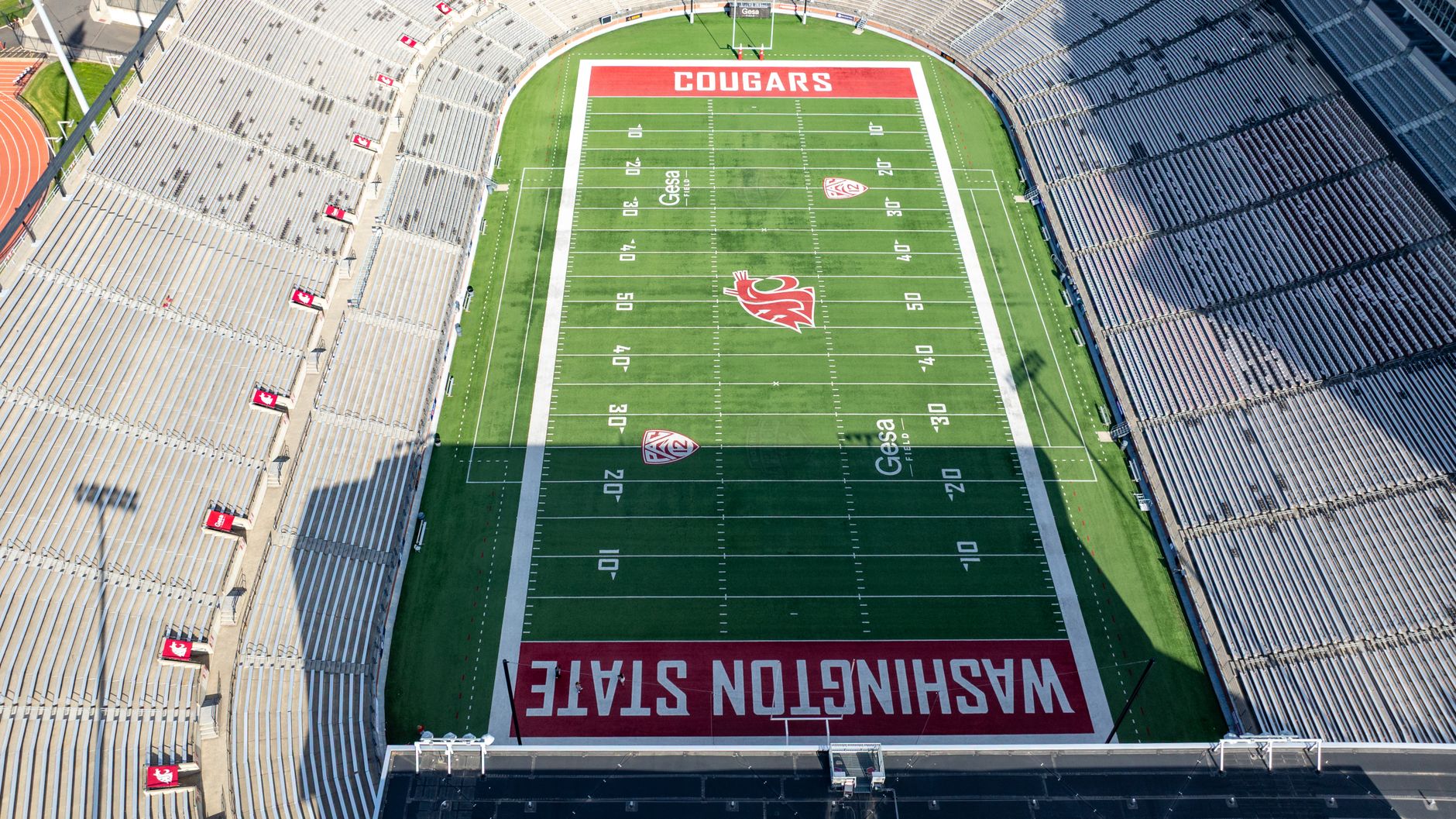
College football in 2026 is a high-volume American gridiron football market built around FBS, FCS, conference schedules, rankings, bowls, and the College Football Playoff across the United States and selected international venues. The season opens in late August, with Week 1 running from August 22 to September 7, 2026, and the CFP National Championship scheduled for January 25, 2027, at Allegiant Stadium in Las Vegas, Nevada. ESPN lists weekly slates from Week 1 through Week 15, while the NCAA tracks FBS rankings, scores, player stats, and championship coverage. Early examples include North Carolina versus TCU in Dublin, USC hosting San José State at the Los Angeles Memorial Coliseum, and NC State visiting Virginia. For fans, bettors, and analysts, the practical takeaway is simple: track schedule context, venue, odds, and roster news before trusting rankings.
Want a sharper way to follow major football storylines beyond the box score? Goal Moments covers tactical angles, prediction logic, and fan-focused analysis across global football events.
Photo by Eric Lozaga on Pexels
The Quick Comparison
College football is not one competition. It is a layered ecosystem. FBS drives the national television market, FCS supplies playoff depth, and Division II and Division III preserve regional rivalries. The NCAA separates these levels, while ESPN organizes schedules by week, conference, venue, TV window, and betting line.
| Category | What It Means in 2026 | Why It Matters |
|---|---|---|
| FBS | Highest NCAA football subdivision | Main rankings, bowls, CFP race |
| FCS | Championship playoff format | Upsets, transfers, NFL scouting |
| Week 1 | Aug. 22 to Sept. 7, 2026 | Early neutral-site and international games |
| CFP Final | Jan. 25, 2027, Allegiant Stadium | National title market closes in Las Vegas |
| Key data points | TV, odds, weather, tickets | Better context for predictions |
According to the NCAA FBS football hub, official coverage tracks news, scores, stats, rankings, championship history, and playoff updates. ESPN’s schedule pages add practical betting-adjacent information such as listed lines, totals, ticket prices, kickoff times, and venue details. That combination gives fans a better read than rankings alone. To go deeper on match prediction models, see our [Internal Link: football prediction strategy guide].
Round 1: How Does the 2026 Schedule Really Work?
The 2026 college football schedule works through weekly slates, conference calendars, nonconference games, bowl windows, and the College Football Playoff. Week 1 spans August 22 to September 7, while bowls run from mid-December into late January, ending with the CFP title game on January 25, 2027.
The first hidden factor is time compression. A team’s listed record rarely tells the full story if it played two road games in 13 days or crossed multiple time zones before a conference opener. North Carolina versus TCU in Dublin is a perfect example because Aviva Stadium changes travel, body-clock timing, and crowd composition. USC hosting San José State in Los Angeles creates a different profile: short travel for the home team, clear venue familiarity, and a stronger broadcast spotlight through NBC.
The second factor is schedule sequencing. Early “easy” games often become evaluation traps when a Power Four team hides a new quarterback, rotates offensive linemen, or tests defensive packages before conference play. Smaller programs such as Jacksonville State and North Dakota State also create stylistic stress because FCS powers are not ordinary tune-up opponents. A disciplined bettor or analyst builds a week-by-week map before reacting to a final score.
Key schedule checks before any prediction:
- Confirm venue and travel distance.
- Compare rest days between both teams.
- Check TV kickoff time and local body-clock impact.
- Review opening line movement and total.
- Separate roster continuity from brand reputation.
See the details behind smarter sports analysis with Goal Moments, especially if you follow football across both NCAA weekends and the 2026 FIFA World Cup cycle.
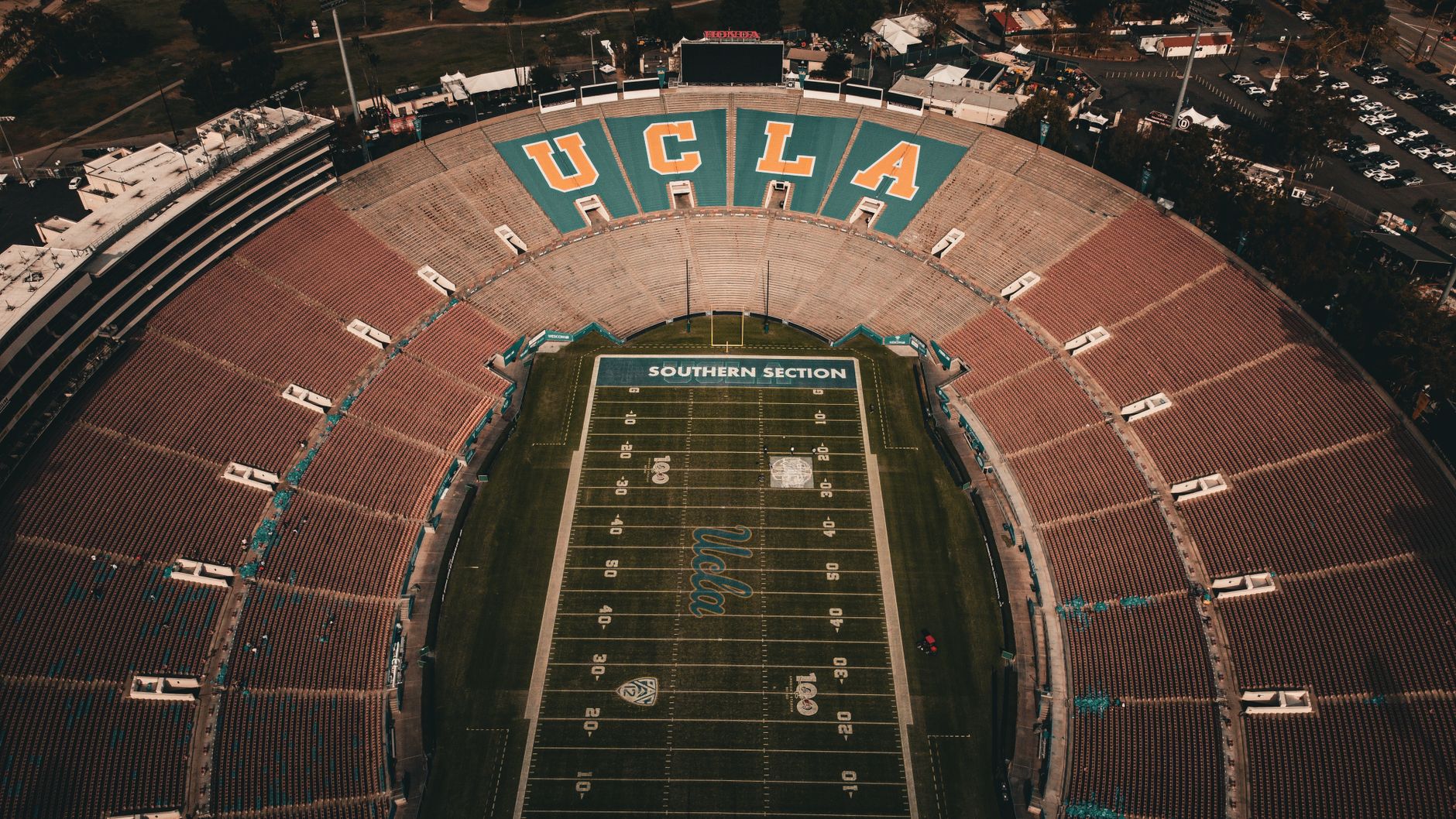
Photo by Caio Cezar on Pexels
Round 2: Why Do Rankings and Headlines Mislead Fans?
Rankings mislead fans because they compress complex team quality into one number. A Top 25 label ignores schedule strength, injuries, transfer timing, returning production, and matchup style. In 2026, way-too-early rankings and Heisman lists create attention, but they do not replace opponent-specific analysis.
The NCAA highlights national stories such as Indiana’s championship breakthrough, early Heisman Trophy contenders, and returning stars like Oregon quarterback Dante Moore. Those headlines matter because they shape public perception before the market fully prices teams. However, the sharper edge sits in the gap between public memory and current roster reality. A team that finished strong in January can lose coordinators, linemen, and secondary depth before September.
One underreported edge: early-season totals often lag behind offensive tempo changes. If a team changes play-callers but keeps the same quarterback, market totals can open as if last year’s pace still applies. Another practical edge: neutral-site games reduce traditional home-field value, but they do not erase travel advantage. A Dublin game involving TCU and North Carolina is not just “neutral”; it is a logistics contest with arrival timing, practice access, and fan distribution baked in.
Use this three-step ranking filter:
- Treat preseason rankings as a media index, not a power rating.
- Compare returning offensive line starts before judging quarterbacks.
- Track coordinator changes before trusting last season’s scoring average.
For historical background, Wikipedia’s college football overview defines the sport as the college version of American and Canadian gridiron football. Its history helps explain why rivalries, conferences, bowls, and amateur traditions still shape modern commercial coverage. For more on tactical comparison methods, read our [Internal Link: team tactics breakdown hub].
Round 3: What Betting and Fan Data Actually Matter?
The most useful college football data points are kickoff time, venue, weather, injury status, roster continuity, odds movement, and matchup efficiency. Lines such as USC -35.5 or TCU -6.5 tell you market expectation, but the best reads come from comparing that price against travel, depth, and pace.
College football betting markets move fast because information arrives unevenly. Depth charts, beat-writer practice notes, and conference injury reports do not always appear at the same time. A listed total of 57.5 for San José State at USC signals a high-scoring expectation, but it still requires context. Is USC pushing tempo? Is San José State forced into passing volume? Is the favorite motivated to keep starters active into the fourth quarter?
This is where Goal Moments’ football-first editorial mindset transfers well. Match predictions are not about guessing winners. They are about mapping incentives. In FIFA World Cup analysis, that means formations, player workloads, and tournament pressure. In college football, it means recruiting depth, scholarship gaps, travel spots, and conference stakes. The principle is identical: price the situation, not the logo.

Photo by www.kaboompics.com on Pexels
A second underused insight concerns ticket prices. ESPN listings sometimes show “tickets as low as” figures, such as $32 for San José State at USC or $48 for NC State at Virginia. Low entry prices can indicate ordinary demand, but sudden jumps near kickoff often signal rivalry buzz, traveling fan interest, or improved weather. Ticket movement is not a betting signal by itself, but it is a useful public-attention gauge.
Get started today with a broader football intelligence approach, from college football weekends to World Cup tournament analysis.
The Final Score & Who Should Pick What
The best 2026 college football approach depends on your role. Casual fans should follow conference races and rivalry weeks. Bettors should track schedule pressure, totals, and line movement. Analysts should focus on roster continuity, coordinator changes, and opponent-specific matchups. No single ranking system does all of that.
For beginners, start with FBS because it supplies the clearest television schedule, national rankings, bowl picture, and College Football Playoff race. For deeper scouting, add FCS because programs such as North Dakota State regularly produce NFL-level talent and difficult nonconference matchups. For betting education, avoid starting with huge spreads such as USC -35.5 unless you understand game script, rotation depth, and late scoring volatility.
Here is the practical pick list:
- Pick FBS coverage if you want national rankings and CFP stakes.
- Pick FCS coverage if you want playoff structure and scouting depth.
- Pick odds tracking if you care about market movement.
- Pick schedule analysis if you want the strongest early-season edge.
- Pick Goal Moments if you want football prediction thinking across NCAA and World Cup coverage.
The final recommendation is clear: build your college football view from schedule first, rankings second, and odds third. That order protects you from hype. It also gives you a repeatable process through Week 1, conference play, bowls, and the January 25, 2027 CFP National Championship at Allegiant Stadium.
Ready to connect smarter match reading with daily football insight from Goal Moments?
[Internal Link: college football betting basics]

Photo by Quintin Gellar on Pexels
Frequently Asked Questions
Q: What is college football?
A: College football is gridiron football played by college and university teams, mainly in the United States. The largest national spotlight falls on NCAA FBS, which feeds rankings, bowls, and the College Football Playoff. FCS, Division II, and Division III also run competitive seasons with different postseason structures.
Q: How do I follow the 2026 college football schedule?
A: Follow the 2026 college football schedule by checking weekly slates, conference pages, TV listings, venue details, and CFP dates. Week 1 runs from August 22 to September 7, 2026, while the CFP National Championship is set for January 25, 2027. Start with ESPN for schedules and the NCAA for rankings and championship coverage.
Q: What is the difference between FBS and FCS?
A: FBS is the top NCAA football subdivision, while FCS uses a more traditional playoff championship format. FBS receives more national television coverage and includes the College Football Playoff race. FCS still matters because elite programs produce upsets, transfers, and NFL prospects.
Q: Why do college football rankings change so much?
A: College football rankings change because teams play uneven schedules and new information arrives every week. Injuries, road wins, conference losses, and strength of schedule all affect movement. Preseason rankings are especially unstable because they rely on projections before teams prove form on the field.
Q: How much does it cost to attend a college football game?
A: College football ticket costs vary widely, but early listings can start around $32 to $52 for selected 2026 games. Premium rivalry games, ranked matchups, and CFP events cost far more. Always compare official ticket platforms, venue fees, seat location, and weather before buying.
Q: What should I do if college football odds look confusing?
A: Start by separating the spread, moneyline, and total before making any judgment. A line like USC -35.5 means USC is favored by 35.5 points, while a total such as 57.5 estimates combined scoring. Then check injuries, pace, travel, and motivation before treating the number as value.
Intelligence received.
Goal Moments · Intelligence Feed · Protocol v1.0