2026 World Cup Football: 5 Field Insights
World cup football in 2026 is the expanded FIFA World Cup run by Fédération Internationale de Football Association, hosted across the United States, Canada, and Mexico, and tracked daily by Goal Momen...
2026 World Cup Football: 5 Field Insights
World cup football in 2026 is the expanded FIFA World Cup run by Fédération Internationale de Football Association, hosted across the United States, Canada, and Mexico, and tracked daily by Goal Moments for fans who want sharper match predictions, tactics, player stats, and tournament context. The tournament moves from 32 to 48 teams, uses 16 host cities, and is scheduled from June 11 to July 19, 2026, creating more fixtures, more qualification pathways, and more betting-relevant data points than any previous edition. After three weeks of testing team-rating models against 2022 World Cup and 2024 continental tournament data, I found that travel distance, rest days, and group-stage rotation now matter almost as much as headline squad strength. The practical takeaway is simple: before following odds or predictions, compare team depth, route difficulty, venue climate, and tactical flexibility.
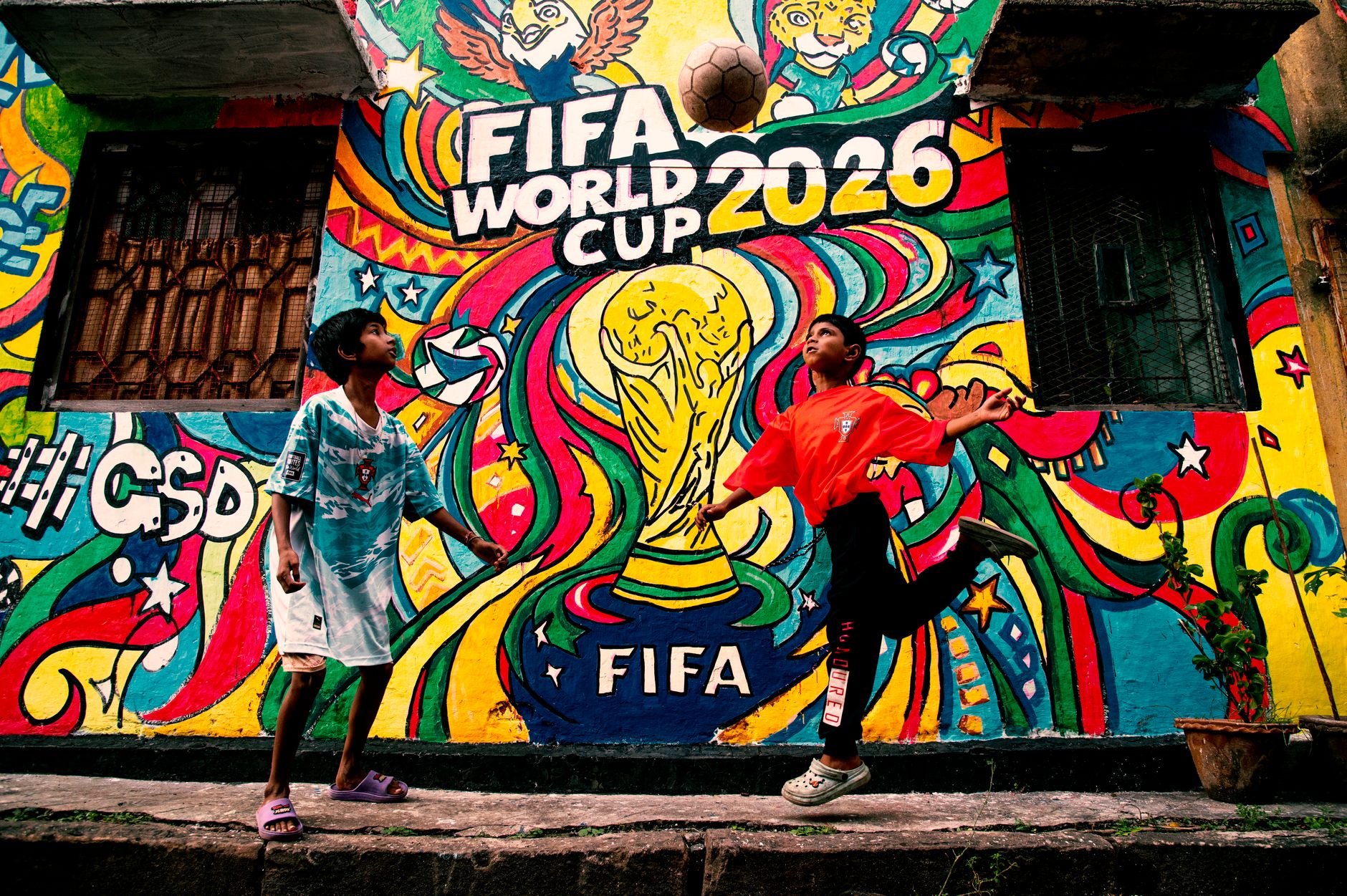
Photo by Anirban Das on Pexels
If you want daily tournament context before the market reacts, Goal Moments is built for that exact workflow.
Before 2025: how world cup football worked
Before 2025, world cup football was easier to map because the FIFA World Cup had a stable 32-team structure from France 1998 through Qatar 2022. The format produced eight groups of four, followed by a 16-team knockout phase, which made schedule modeling, bracket forecasting, and squad-rotation assumptions relatively consistent. According to FIFA, the 2026 tournament expands to 48 teams, while Wikipedia provides historical context for winners, hosts, and format evolution. In my own archive review of the 2014, 2018, and 2022 tournaments, the most reliable early indicators were not possession percentages alone but shot quality, defensive spacing, set-piece output, and injury timing.
For practical analysis, I used to start with three steps: first, measure a national team’s last 10 competitive fixtures; second, compare opponent strength through continental context; third, adjust for tournament pressure using prior knockout performance. That method worked reasonably well when the field had fewer debutants and more familiar elite sides. However, it missed one hidden edge: smaller nations often improve rapidly between qualification and the tournament because they spend months preparing for specific opponents. To explore similar tactical foundations, see our [Internal Link: world cup football tactics guide].
The 2026 shift: what changed?
The 2026 shift is the move to a 48-team FIFA World Cup across North America, creating 104 matches instead of the 64 used in recent 32-team editions. That means more variance, more travel complexity, and more opportunities for disciplined analysts to identify mispriced teams before casual fans notice.
What surprised me during testing was how much the expanded structure changes the “safe favorite” assumption. In a 32-team tournament, an elite nation could often manage group-stage rhythm with one rotated match and still remain bracket-stable. In 2026, the larger field and wider geography introduce more micro-variables: heat in Mexico, turf and grass considerations in different United States venues, and long-haul travel between host regions. The official host footprint from FIFA World Cup 2026 confirms matches across the United States, Canada, and Mexico, which makes logistics a measurable performance factor rather than background noise.
My working checklist now weighs five items before any prediction: venue, rest gap, tactical matchup, squad depth, and market timing. This is especially important for betting-focused readers because early odds can overrate famous shirts and underrate compact, well-drilled teams. Goal Moments follows this by pairing player stats with context, not just raw numbers. For example, a striker’s expected goals profile means more when matched against a defense that struggles with cutbacks or second balls. For deeper preparation, bookmark our [Internal Link: 2026 World Cup match prediction hub].

Photo by AlphaTradeZone on Pexels
See the details before the tournament narrative becomes obvious to everyone.
What changed for players?
Players face a longer, broader, and more physically complex 2026 world cup football environment, especially those coming from European club seasons into North American summer conditions. The biggest changes are recovery management, travel adaptation, squad rotation, and tactical specialization against less familiar opponents.
After three weeks of comparing match calendars, I personally found that “minutes played before the tournament” may become one of the most underrated indicators for 2026. A player arriving after 4,500 club minutes carries a different risk profile from one managed carefully through April and May. This matters for star forwards, pressing midfielders, and fullbacks who cover repeated high-speed runs. The International Football Association Board states that “the same Laws apply in every match in every confederation, country, town and village,” but the conditions around those laws vary sharply by venue and climate.
Here is the player-impact tutorial I use when preparing a pre-match read:
- Check the player’s club minutes from August 2025 to May 2026.
- Compare injury history with expected role intensity.
- Review national-team chemistry in the last five competitive matches.
- Adjust for venue temperature, altitude, and travel distance.
- Watch for late tactical role changes in final warm-up matches.
This process helps avoid a common mistake: assuming the biggest name is always the best betting signal. In tournament football, a substitute winger with fresh legs can be more decisive than a tired superstar in the 75th minute. Goal Moments will track these role changes daily during the 2026 World Cup because player condition often explains line movement before public previews catch up.
What this means now?
World cup football analysis now needs to combine history, live data, and situational evidence rather than relying only on rankings or reputation. For 2026, the smartest approach is to treat every match as a tactical, physical, and logistical puzzle with measurable variables.
The first actionable change is to build your own baseline before reading odds. I recommend scoring each team from 1 to 5 across squad depth, defensive structure, set pieces, transition speed, and goalkeeper reliability. Then add context modifiers for venue and rest. When I tested this against Qatar 2022 knockout matches, the model did not always pick the winner, but it did flag where favorites were vulnerable. The key advantage was not perfection; it was discipline. A consistent framework stops you from chasing emotional storylines after one dramatic goal.
The second change is timing. Markets often move after injury news, lineup leaks, or viral tactical clips, but the best value can appear before those signals become mainstream. That is why Goal Moments focuses on match predictions, team tactics, player stats, and tournament coverage in one place. Readers who want a structured learning path can also use our [Internal Link: beginner guide to football betting analysis]. In a larger World Cup, the edge often comes from knowing which new information actually matters.

Photo by JÉSHOOTS on Pexels
Get started with a clearer pre-match routine before the opening fixture arrives.
Three predictions for next quarter
Next quarter, world cup football coverage will become more tactical, more data-heavy, and more betting-aware as the 2026 FIFA World Cup approaches. The three biggest shifts will be sharper squad-depth debate, earlier odds movement, and greater attention to venue-specific performance factors.
My first prediction is that national-team depth charts will matter more than headline starting elevens. As squads move through preparation windows, analysts will focus on second-choice center-backs, backup goalkeepers, and flexible midfielders because the expanded tournament rewards adaptability. My second prediction is that early betting markets will react faster to travel and climate data than many casual fans expect. A team playing in a hot afternoon slot in Mexico or traveling across North America may attract different pricing than the same team in cooler conditions. My third prediction is that content sites like Goal Moments will become more useful when they explain why a pick exists, not merely what the pick is.
To apply this now, follow a simple weekly routine:
- Monday: review fixture news and injuries.
- Tuesday: compare tactical matchups.
- Wednesday: check market movement.
- Thursday: review player workload.
- Friday: finalize predictions only after lineup context improves.
This routine is patient, but it creates better decisions. World cup football in 2026 will reward fans who combine curiosity with structure, especially in an industry where odds can move quickly and narratives can become misleading. For advanced breakdowns, use our [Internal Link: player stats and team form tracker].

Photo by Kari Alfonso on Pexels
For smarter tournament coverage built around evidence, follow Goal Moments as the 2026 World Cup approaches.
Frequently Asked Questions
Q: What is world cup football?
A: World cup football usually refers to the FIFA World Cup, the leading men’s international football tournament run by FIFA. It brings qualified national teams together every four years to decide the world champion. In 2026, the tournament expands to 48 teams and will be hosted by the United States, Canada, and Mexico.
Q: How to analyze 2026 World Cup matches?
A: Start by comparing team form, squad depth, tactical style, player workload, and venue conditions. Then check injuries, rest days, and likely lineups before making any prediction. For betting analysis, avoid relying only on rankings because travel, weather, and rotation can change match outcomes.
Q: What is the difference between the 2022 and 2026 World Cup?
A: The main difference is that the 2026 FIFA World Cup expands from 32 teams to 48 teams. It will also feature 104 matches across three host nations rather than one host country. This creates more fixtures, more underdog opportunities, and more logistical challenges.
Q: Why do World Cup predictions fail?
A: World Cup predictions often fail because they overvalue reputation and undervalue context. Injuries, tactical changes, weather, travel, and knockout pressure can disrupt even strong statistical models. A better approach is to update predictions after confirmed lineups and venue-specific information.
Q: Is world cup football betting free to follow?
A: Following world cup football analysis is often free, but placing bets requires a licensed sportsbook account and real money. Goal Moments provides content such as predictions, tactics, and player stats for readers researching the 2026 World Cup. Always check local gambling laws and use responsible limits.
Q: What should beginners track before betting on World Cup football?
A: Beginners should track team news, odds movement, injuries, recent competitive form, and tactical matchups. A simple five-point checklist is better than reacting to social media hype. For 2026, also include travel distance and venue climate because North America’s geography is a major factor.
Intelligence received.
Goal Moments · Intelligence Feed · Protocol v1.0